
With a simple reader friendly writing style
Sri Lankan Educational Structure
Sri Lankan education structure is divided mainly into five as, Primary from grade 1 to 5, secondary grade 6 to 9, senior secondary grade 10 to 11, collegiate and tertiary grade 12 to 13, and university. According to the above classification, except university education all others come under school education.
These school institutions are classified mainly into two as government schools and non-government schools. Government schools are again divided into three as national schools, provincial schools, and Pirivenas. Non-government schools are also divided again into two as private schools and International schools. Private schools have increased in number due to the emergence of the upper middle class society during the colonial era. These schools follow the local curriculum set up by the ministry of education in local language mediums of Sinhala, Tamil or English. Private schools are again divided into two as full private schools and semi government schools. International schools are the other type which is really formed for the children of diplomats and for the other nationalities who are in the country. According to my gathered information International school again can be divided as foreign and domestic International school.
State/Government schools – Schools which are fully funded, totally controlled and monitored by the state are known as state or government schools. The policy of free education is totally applied in these schools. Students or the learners who are attending government schools get free books, free exams, free uniforms, and even some school children get the free meal. These learners sit for three main exams provided by the government. Grade five Scholarship exam, grade 11 ordinary level exam, and grade 13 advanced level exam, which is taken as the entrance exam for state universities. According to the willingness of learners, they can obtain ordinary level and advanced level exams either in Sinhala, Tamil or in English medium.
State school learners are charged only a very little annual school fee, even though that has also been removed from deserving students. Learners are not entitled for any type of donations when admitted to these types of schools. But unfortunately many school principals take money as donation from the parents when admitting their children to the school by ignoring the rule of the state.
Fully private schools – Schools which are fully funded, totally controlled and looked after by the private sector are known as fully private schools. They charge a large sum of money as donation when admitting students to school and a high school fee while studying. They provide both Sri Lankan and London exams for their students. Almost all private schools too, follow the government schedule. Even though there are very few private schools in Sri Lanka.
Semi government schools – The schools which are partly founded by the state and partly founded by the private sector are known as semi government schools. They are more independent than state schools in controlling and looking after things. They charge huge sums of money as donations when students are admitted to schools and high annual school fees.
Even though the government provides the textbooks, uniforms, and other facilities such as the ability to sit for national exams, the government pays salaries for half of the teachers. There are quite a few semi government schools in Sri Lanka but it is high in number when compared to full private schools.
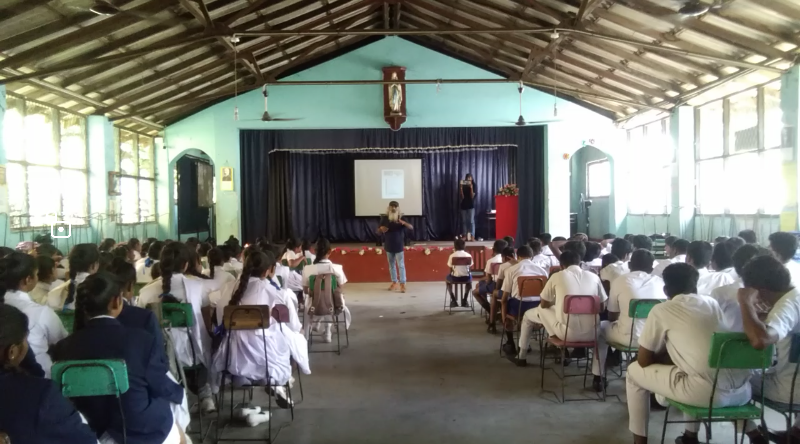
International schools – These are the schools which are fully funded, totally controlled and monitored by the private sector, without any government intervention. International schools are the second type of schools which come under the classification of non-government schools. International schools in Sri Lanka are not restricted to any community. Anyone with the ability and willingness to pay can join these schools.
These schools have no regulations of control by the ministry of education. Even though most of the International schools are still registering under business registration act. Majority of International schools prepare students for the Edexcel general certificate of education (IGCSE) ordinary, advanced subsidiary (AS) and Advanced level (A/L) examination which are the most popular qualifications. Preparation for Cambridge International examination is also offered by some schools. Both exams are offered under the supervision of the British Council Sri Lanka.
Even though some International schools give the opportunity of writing state exams of ordinary level and advanced level provided by the Sri Lankan education department. Anyway International schools are the schools that promote International education among their learners.
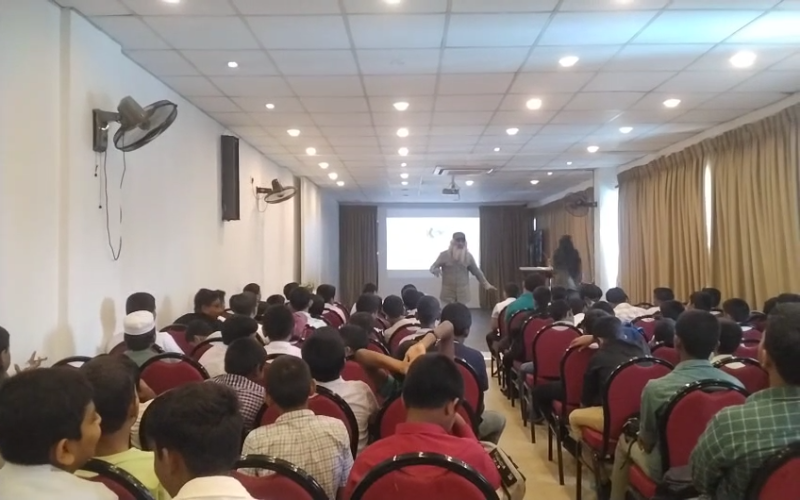
International schools cater mainly to students who are not nationals of the host country, such as the children of the staff of international businesses, international organizations, foreign embassies, missions or missionary programs. But presently they are highly popular among local students. Many parents admit their children to International schools to avoid the difficulties of admitting them to private, semi government and top level government schools. Many local students attend these schools to learn the international language and to obtain qualification for employment of higher education in foreign countries.
Homeschooling and online schools – Studying at home without attending a school is known as homeschooling. At the same time online schools refer to studying only online without attending a physical school. This is becoming more popular among the existing societies, especially among intellectuals who love to give their children more time to observe nature. On the other hand homeschooling has become more popular due to the problems of rooted framed education provided by the school system, which is unable to uplift the talents and abilities of students.
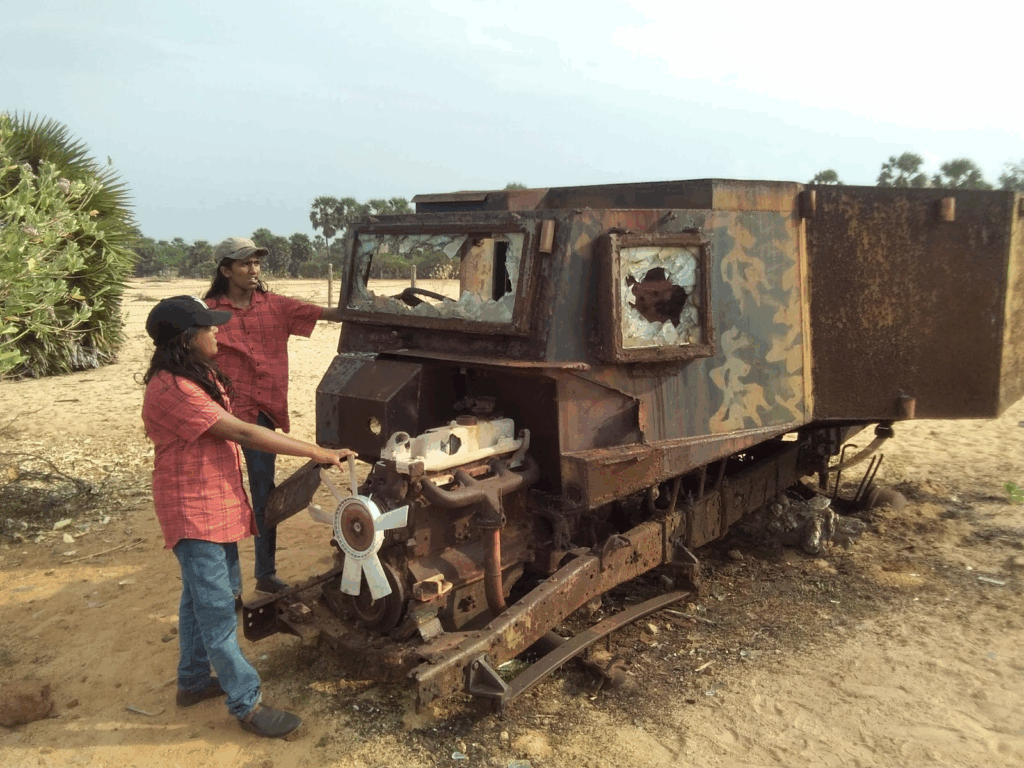
Learners attached with this type of education are free with hardly forced exams. Most of the time they study in a stream what they most prefer than studying all the wanted and unwanted huge syllabus. They attend for exams according to what they wish as private candidates.
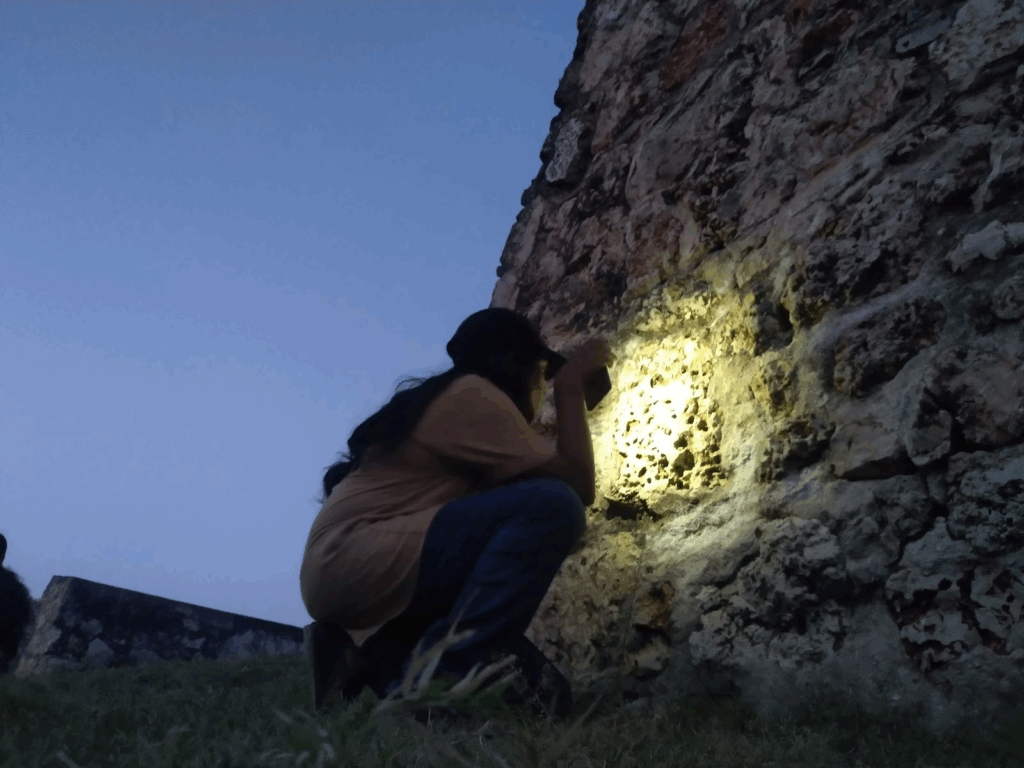
Homeschooling—freedom to seek knowledge
Homeschooling has really become a good alternative for existing rooted framed school education, which won’t find the talents and abilities of their learners. Homeschooling gives a broader knowledge which can help to create new innovators to society in both philosophy and technology, without being like school, releasing memorised parrots with only a heap of paper qualifications and certificates without any practical knowledge.
Piriven – State funded Piriven’s are monastic colleges formed to educate Buddhist monks. They were also centres of secondary and higher education for lay people. Pirivena is a traditional educational institution that has been operating in Sri Lanka for centuries. Vyakta, Visharada, Bahusratha, Dharmadhara and Vinayadhara Bhikkhus were created who brought fame to this country through Pirivena education. Sinhala, Pali, Sanskrit as well as subjects such as Buddhism, History, Elegance, Astrology and Logic are taught in. At the same time Bhikku leadership was trained in the society by practicing the disciplinary disciplines imposed by the Lord Buddha.
University – Universities are the highest educational institutions which provide a variety of study courses for students. They are being divided into two as state universities and private universities. State universities are totally funded by the government, while private universities are funded by the private sector. A few percent of learners who qualify from advanced level examinations are eligible to enter state universities, which provides free education. Private universities charge a huge sum of money and allow anyone to follow their courses.
All these universities are monitored under the University Grant Commission (UGC). Even though there are higher education centres which are not monitored by UGC, who provide different study courses for learners for high prices.
The education provided by universities is questionable, when comparing their output with knowledge and wisdom. The majority of university students who graduated are paper qualified. This is because they are being prepared only for certificate oriented exams, which never fill with knowledge and wisdom. They too need only certificates to find jobs to develop their future career. This is the huge drawback that the Sri Lankan education system faces, of being unable to come out with a creative output.


Leave a Reply