
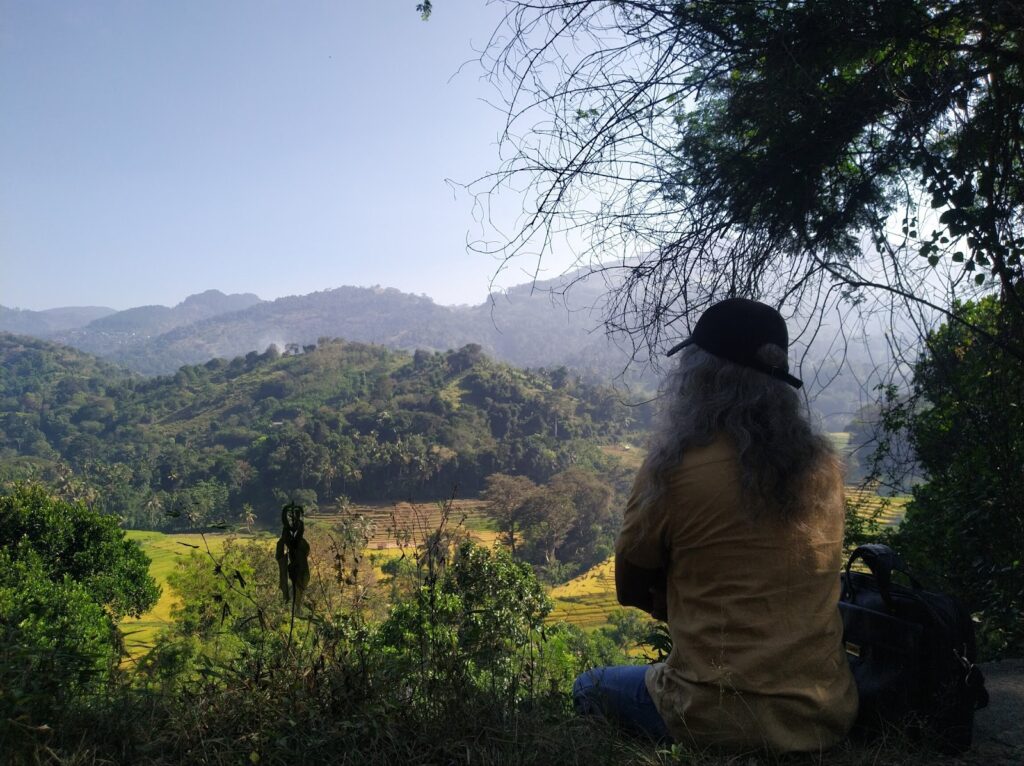
A beautiful country in the Indian Ocean
Here we go
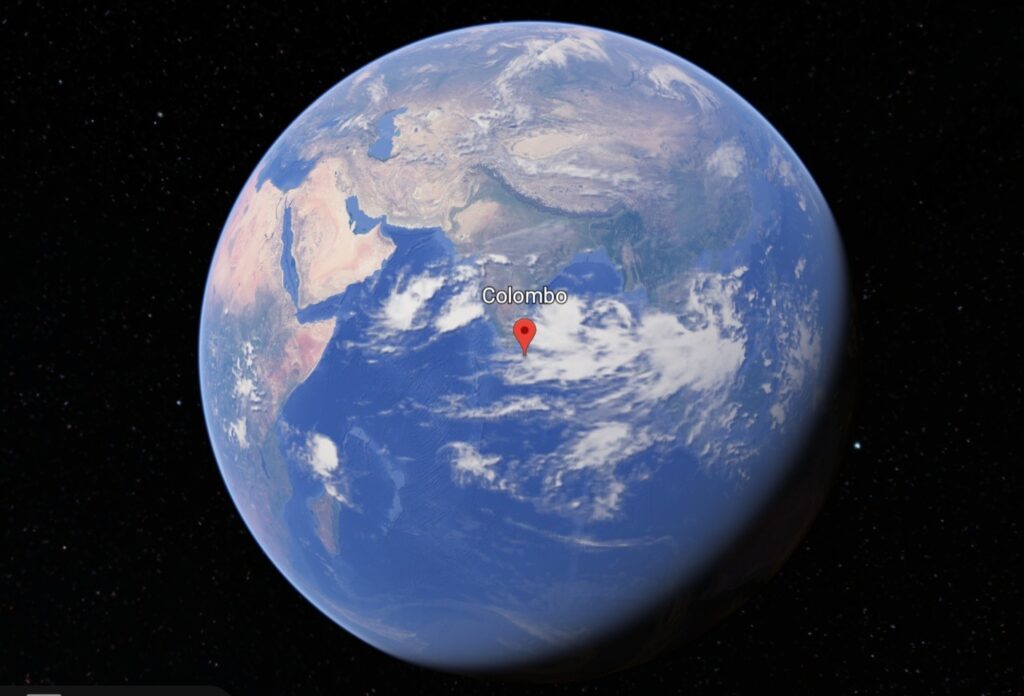
This is Colombo the heart of Sri Lanka
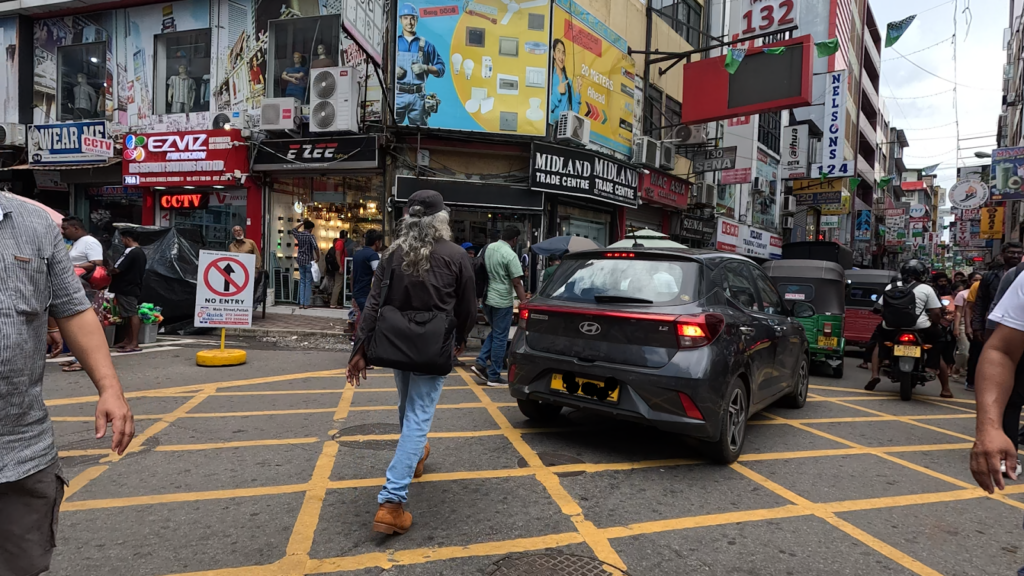
Here we go…
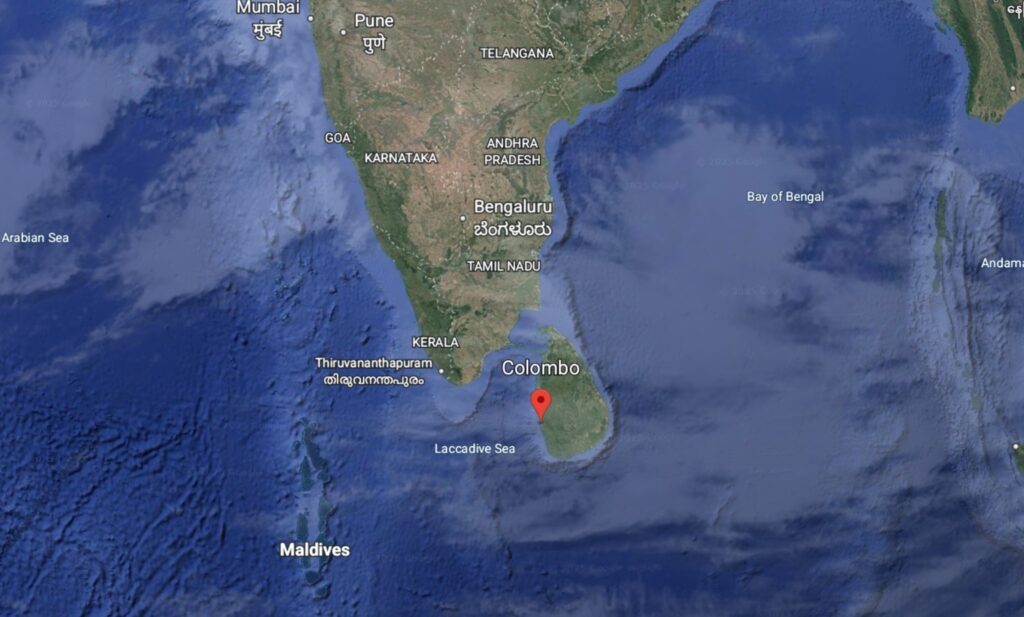
One territory—different living standards and lifestyles.
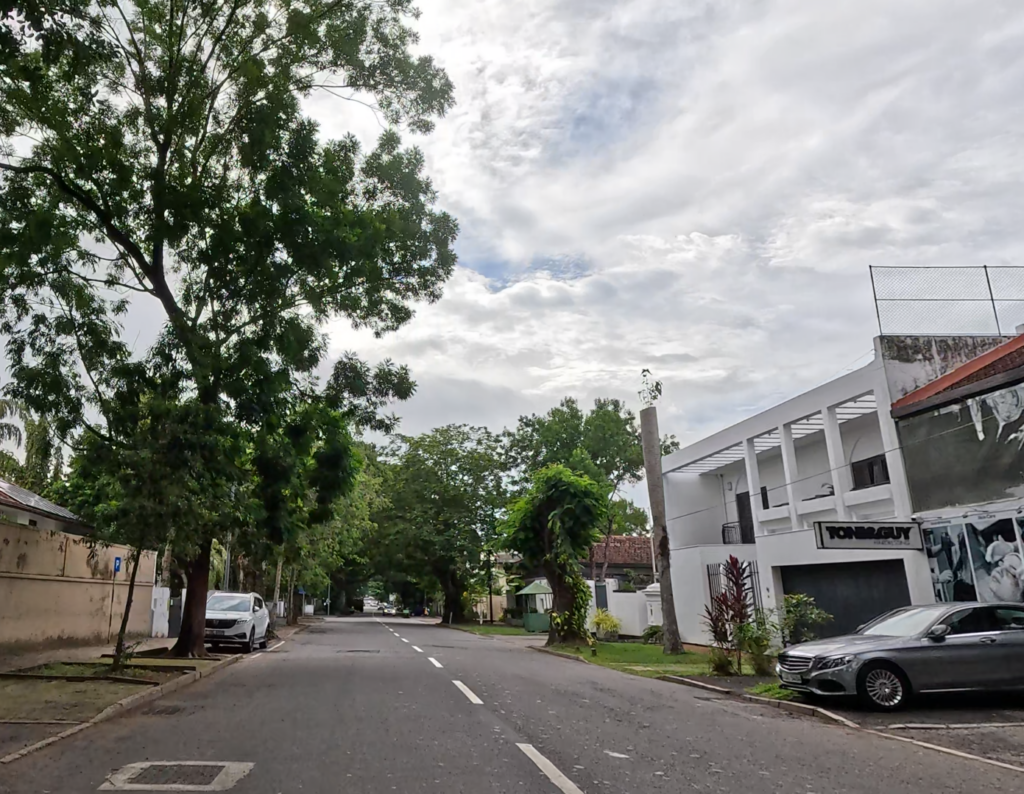
Rich—high living standards and Lifestyles
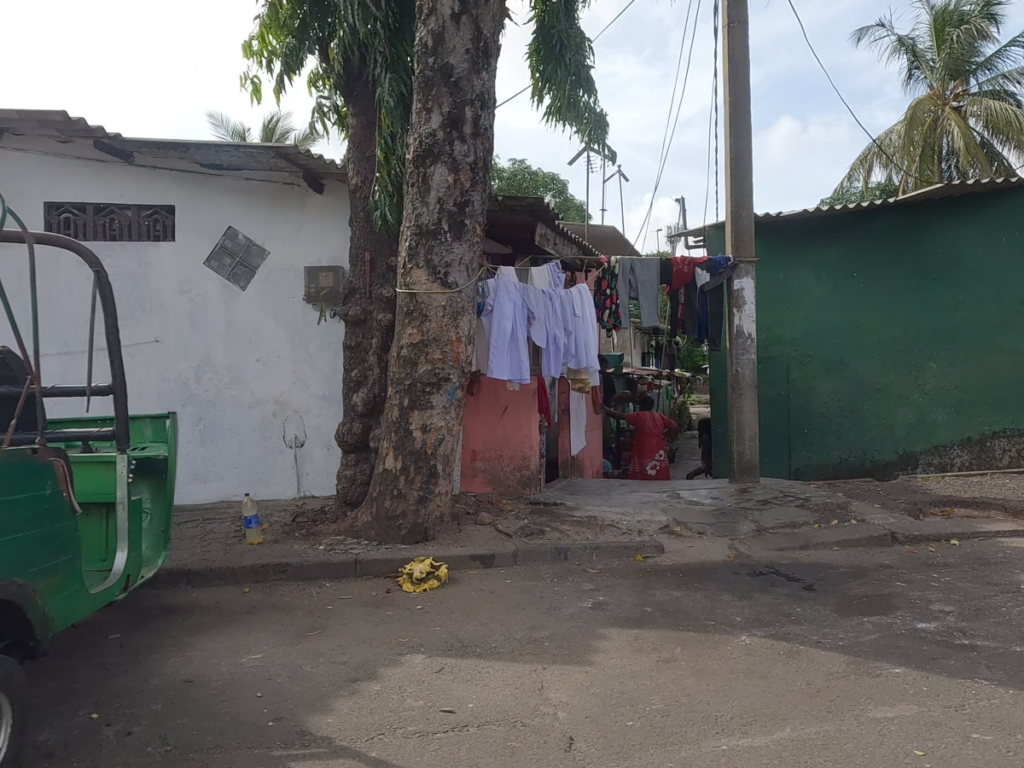
Poor—low living standards and lifestyles
One human being—different races, cultures, religions, customs, etc.
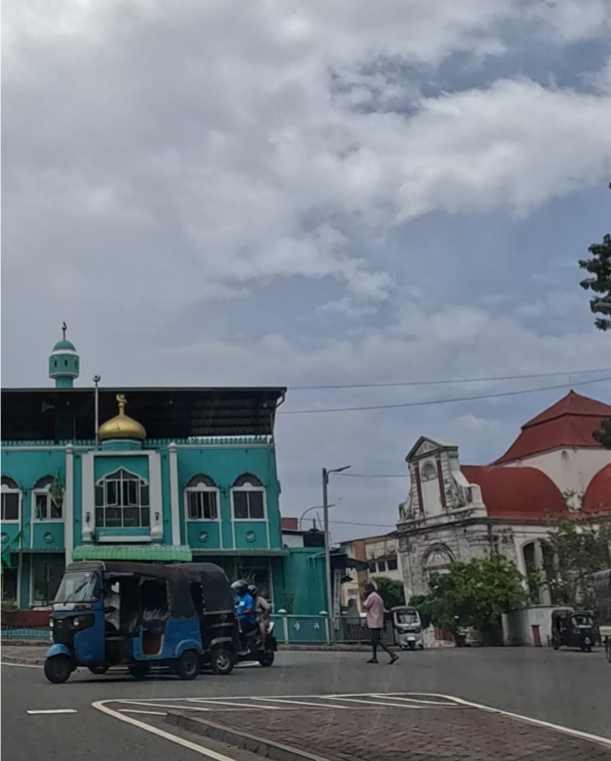
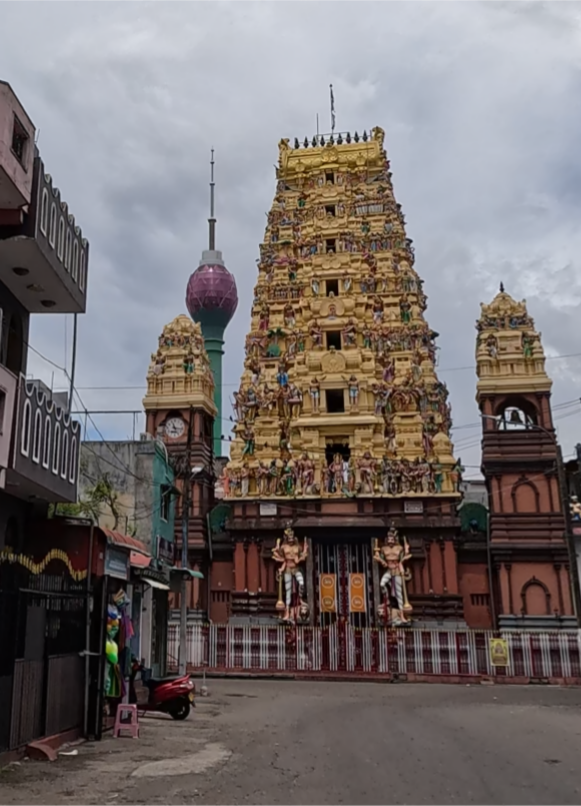
One City—15 zones
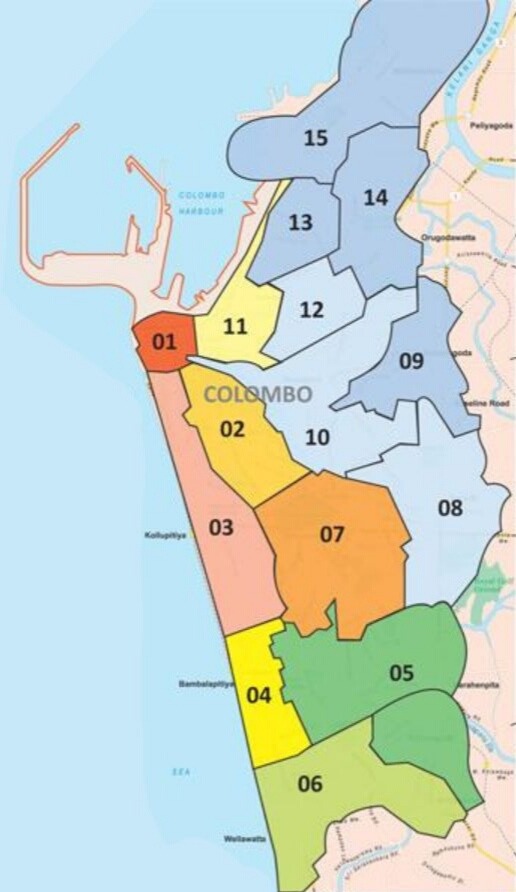
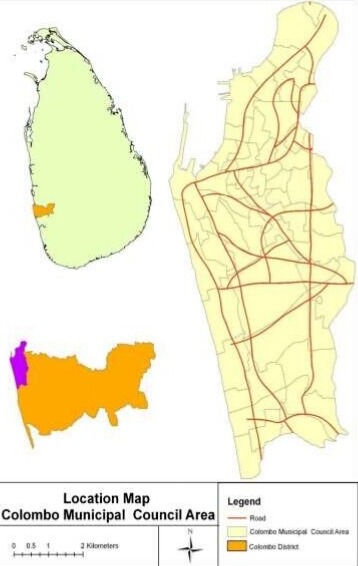
| Colombo | English name | Sinhala name |
|---|---|---|
| 1 | Colombo Fort | Kotuwa |
| 2 | Slave Island | Kompanyaweediya |
| 3 | Colpetty | Kollupitiya |
| 4 | Bambalapitiya | Bambalapitiya |
| 5 | Narahenpita, Havelock Town, Kirulapone North | Narahenpita, Havelock Town, Kirulapone North |
| 6 | Wellawatta, Pamankada, Kirulapone South | Wellawatta, Pamankada, Kirulapone South |
| 7 | Cinnamon Garden | Kurunduwatta |
| 8 | Borella | Borella |
| 9 | Dematagoda | Dematagoda |
| 10 | Maradana, Panchikawatte | Maradana, Panchikawatte |
| 11 | Pettah | Pitakotuwa |
| 12 | Hultsdorf | Aluthkade |
| 13 | Bloemendhal, Kotahena, Kochchikade | Bloemendhal, Kotahena, Kochchikade |
| 14 | Grandpass | Grandpass |
| 15 | Mattakkuliya, Modara, Mutwal, Madampitiya | Mattakkuliya, Modara, Mutwal, Madampitiya |
Colombo is the heart of Sri Lanka the main trade commercial city with approximately 37 square kilometers in the Colombo district in the Western province.
Boundaries
North—Kelani river covers a main part of the Northern boundary of the city where Colombo 15 starts.
South—Dehiwala-Mount Lavinia and is separated from it by an old Dutch canal and the hospital road junction. The boundary of Colombo-06
East—Kolonnawa, and the Sri Jayawardenepura Kotte municipal council to the southeast. The suburban area of Mulleriyawa also lies on the eastern side. The boundaries of Colombo 14, 9, 8 and 5.
West— bordering the longest boundary Colombo 6,4,3,1, 11, 13, and 15 to the Indian Ocean.
Socio-economic and cultural and other backgrounds of the city change within seconds.
Singhalese, Tamils, Muslims, Burgers and other races; and Buddhism, Hinduism, Islamic, Catholicism, Christianity and other religions show the beauty of cultural diversity.
High, Low and middle class; and rich and poor show the disaster of inequality.
One part is highly facilitated—the other is nothing.
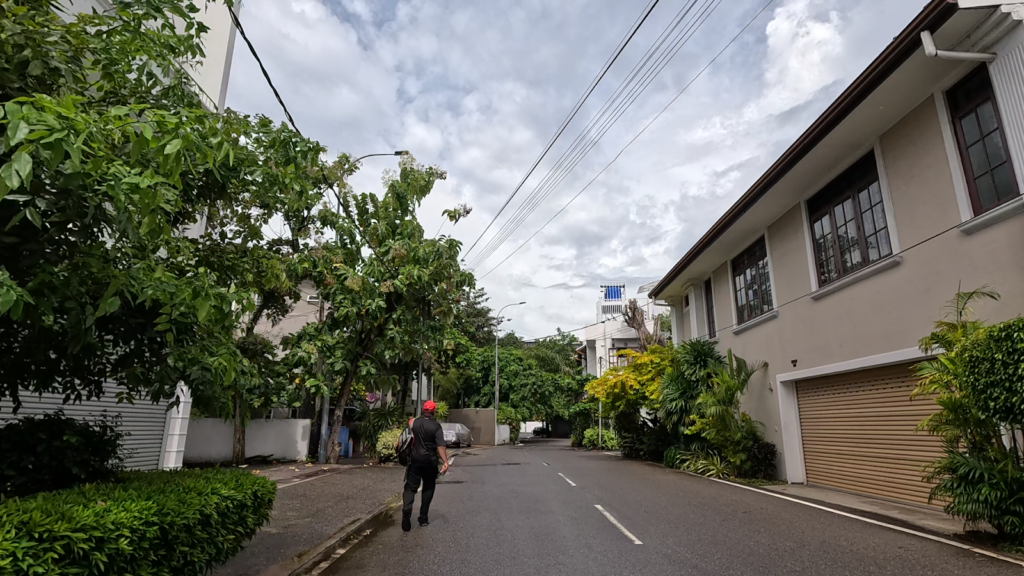
Highly facilitated
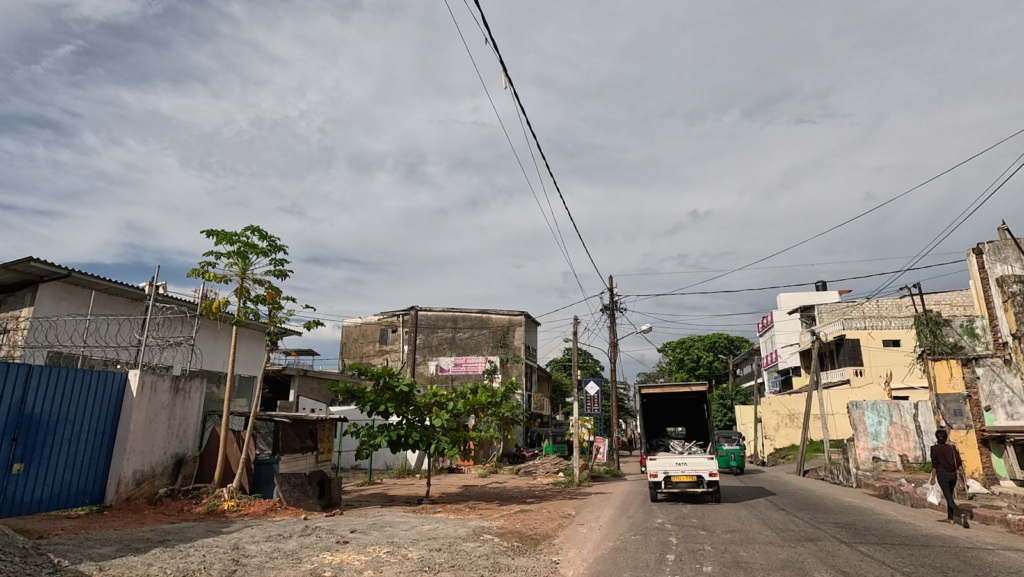
Less facilitated
One enjoys the maximum—the others suffer the maximum.
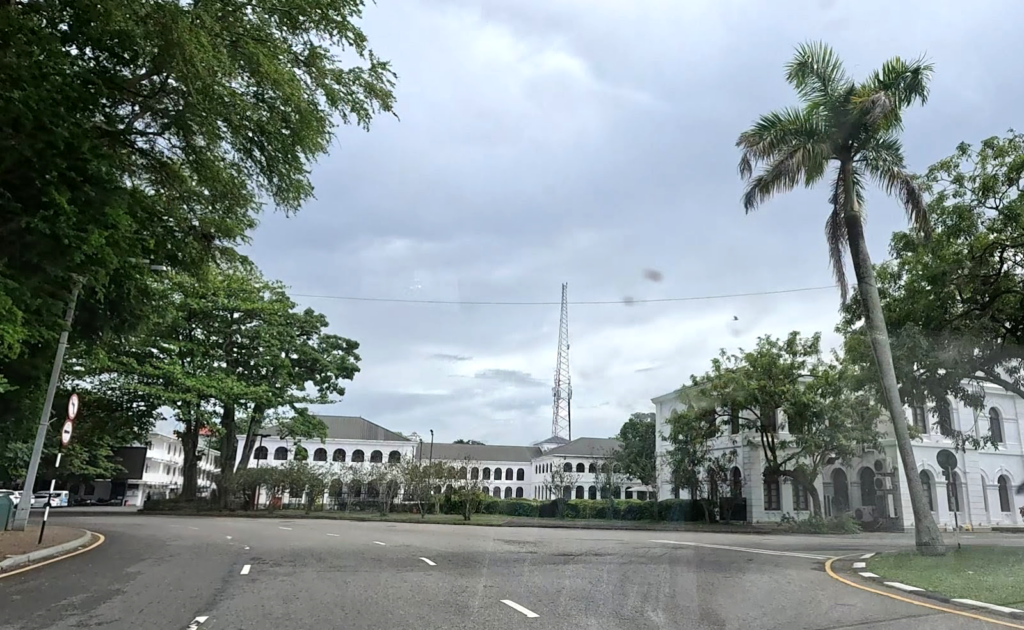
Enjoy the maximum
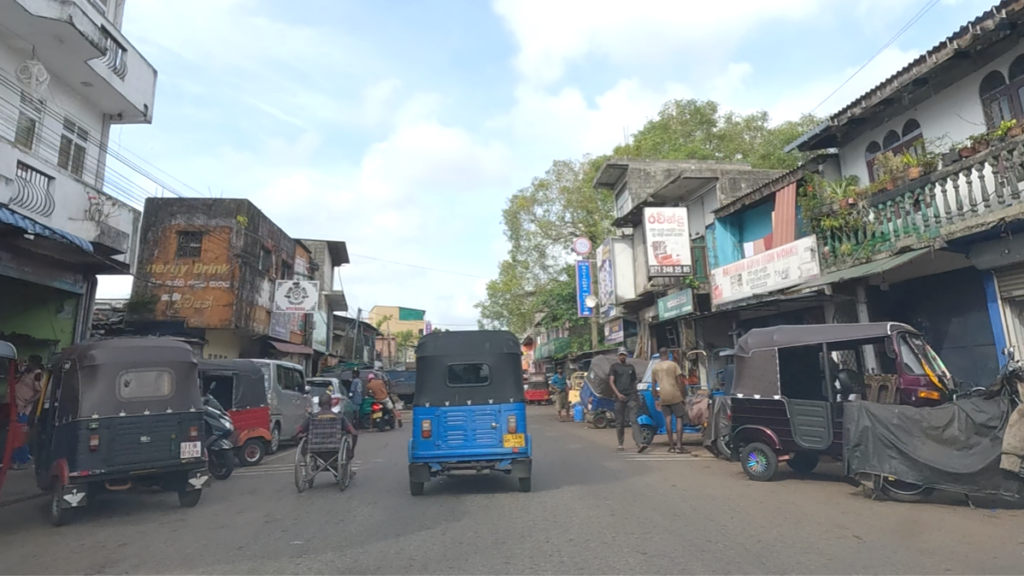
Suffer the maximum
The top reaches the sky—the poor crawls on the soil.
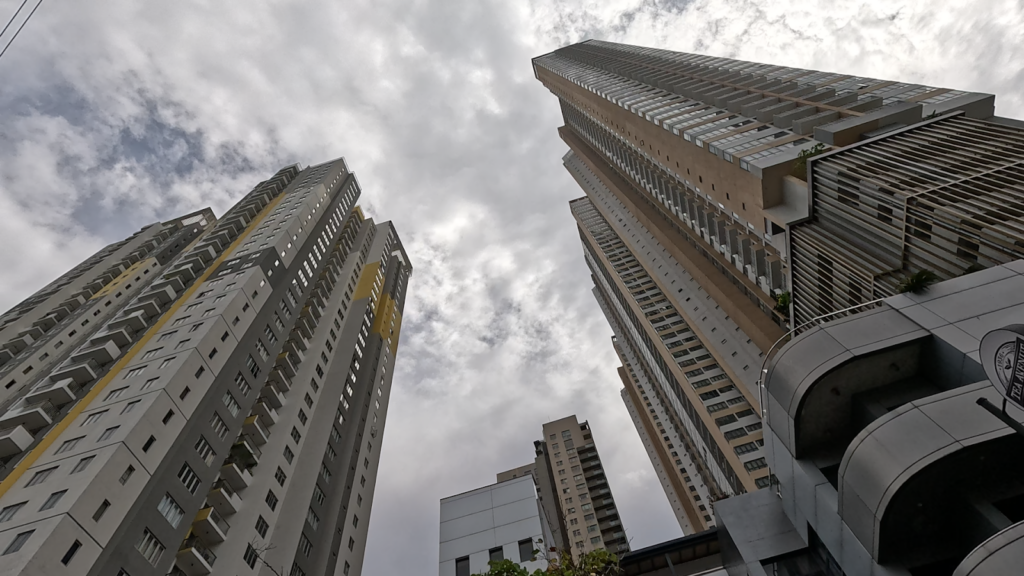
Top reaches the sky
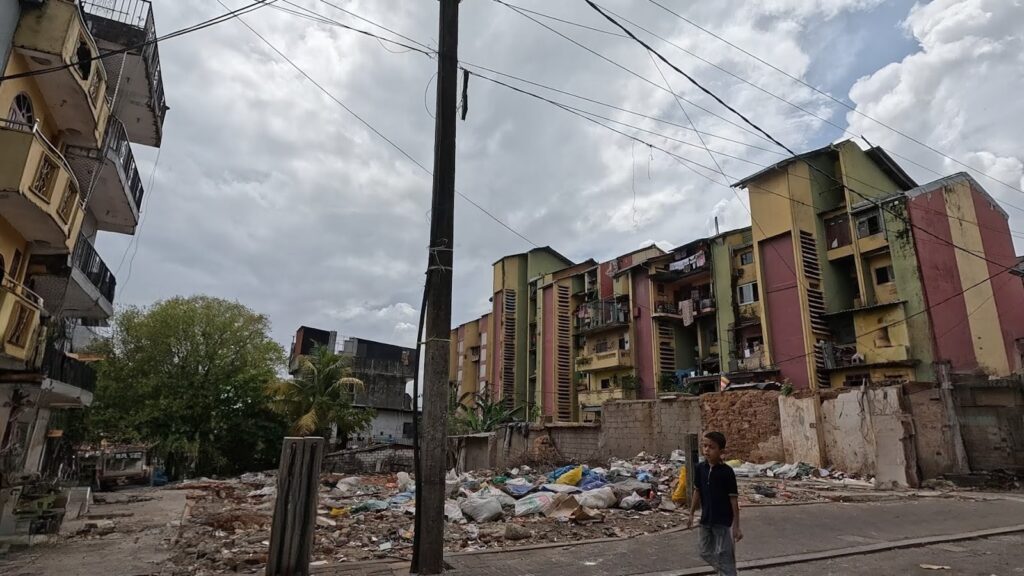
Poor crawls on the soil
Few looks wow—many looks ugh.
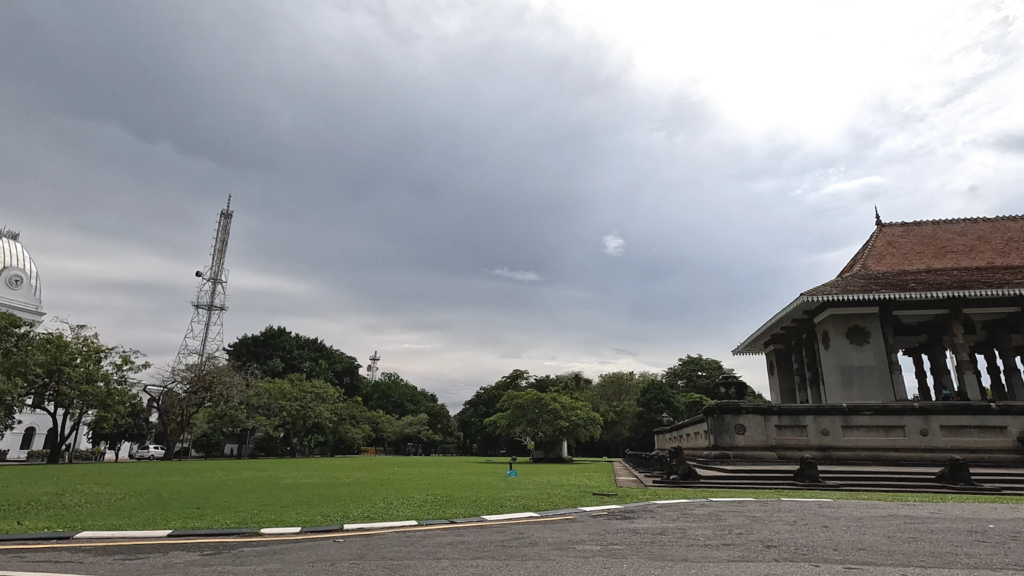
Looks Wow
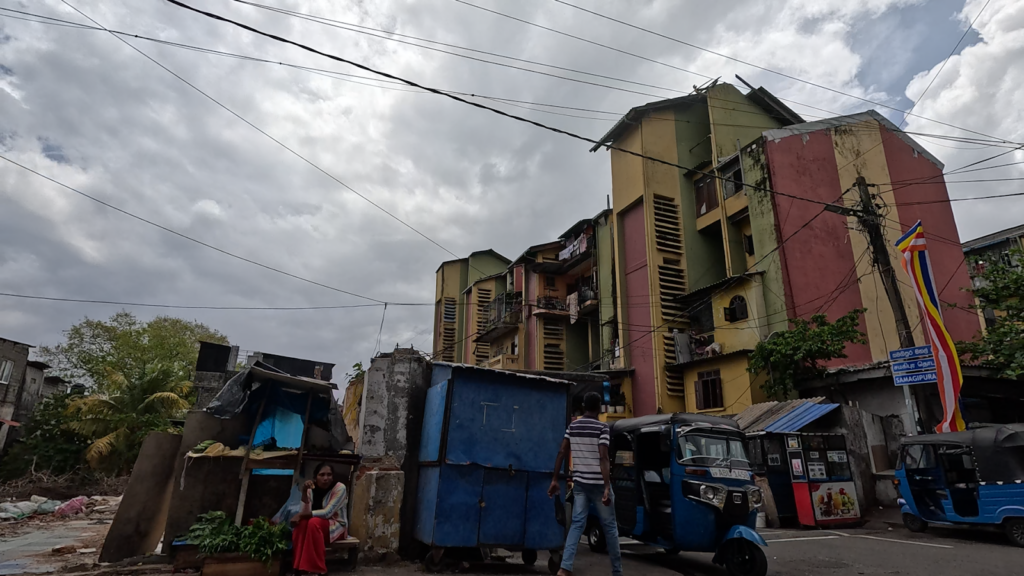
Looks Ugh
All these within 1 to 15—this is how they function in the city.
1—is the point
2,3,4,5, and 6 run towards 7
8 is on the fence
9 and 10 swings
11,12,13,14 and 15 are far from 7
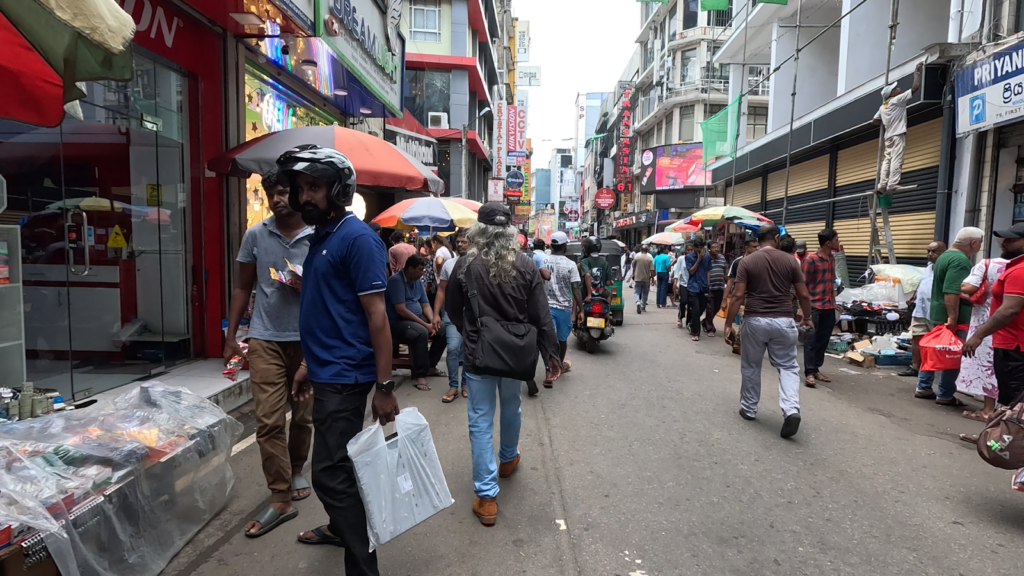
This is the city that is always busy.
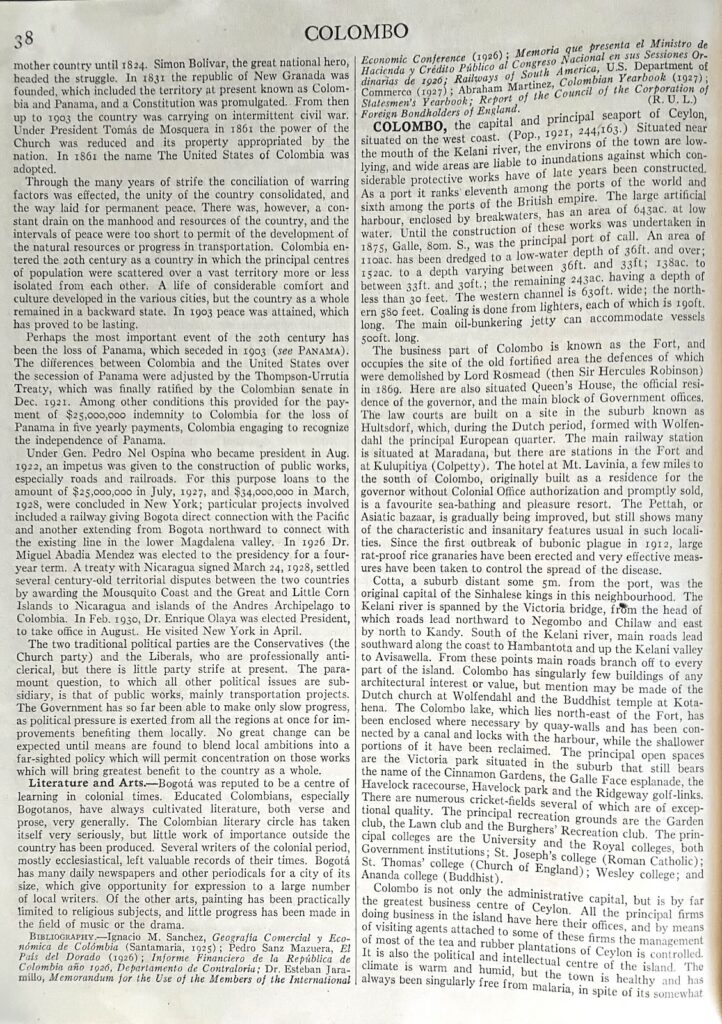
This is the history of the city—what Encyclopaedia Britannia 1929 has said.
COLOMBO, the capital and principal seaport of Ceylon, situated on the west coast. Situated near the mouth of the Kelani river, the environs of the town are low-lying, and wide areas are liable to inundations against which considerable protective works have of late years been constructed.
- As a port it ranks eleventh among the ports of the world and sixth among the ports of the British empire—1929.
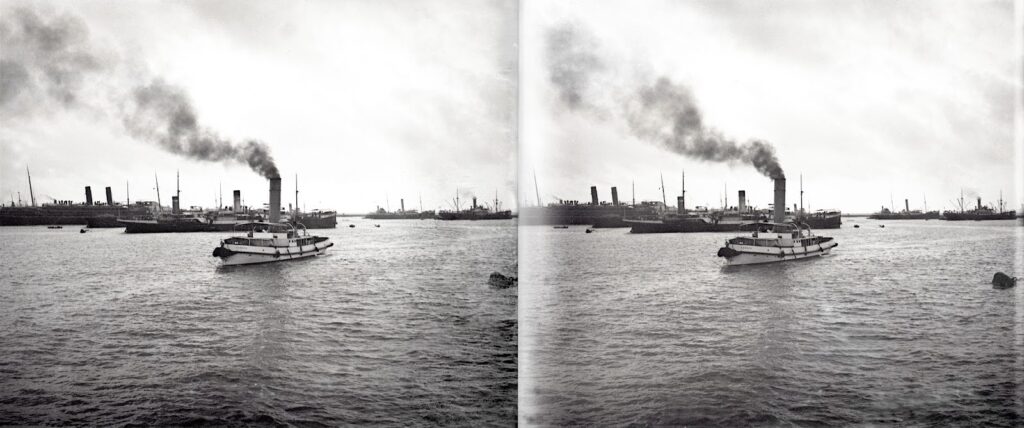
- As a port it ranks twenty fourth among the ports of the world—2022. (the UNCTAD ranked it 24th globally in its 2022 Maritime Transport Review)

Colombo is not only the administrative capital, but is by far the greatest business centre of Ceylon. All the principal firms doing business in the island have their offices here, and by means of visiting agents attached to some of these firms the management of most of the tea and rubber plantations of Ceylon is controlled.
It is also the political and intellectual centre of the island. The climate is warm and humid, but the town is healthy and has always been singularly free from malaria, in spite of its somewhat low-lying and water-logged situation.
- Mean temperature 80.8F. Mean annual rainfall 85.25 inches—in 1929
- Approximately mean temperature: (27.86) °C (82.15) °F)Mean annual rainfall: Approximately (1858.65) mm (73. 15) inches— in 2024
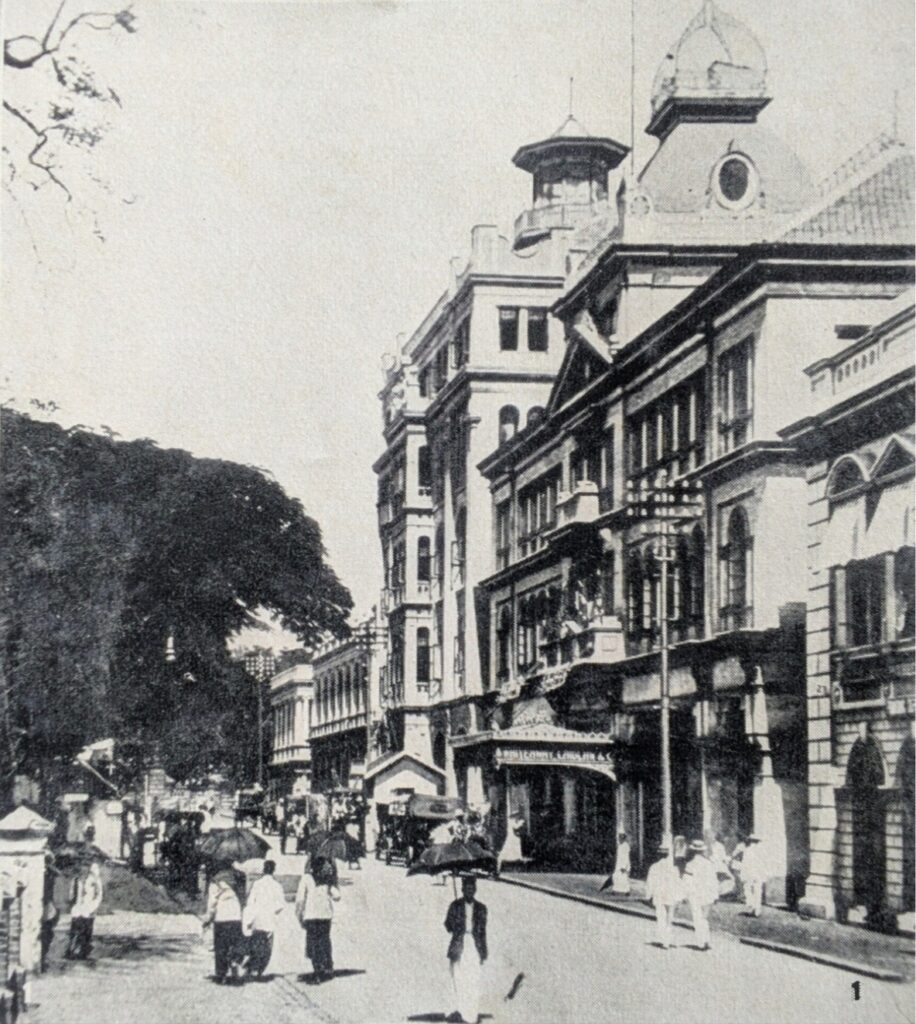
The business part of Colombo is known as the Fort, and occupies the site of the old fortified area the defences of which were demolished by Lord Rosmead (then Sir Hercules Robinson) in 1869. Here are also situated Queen’s House, the official resi-dence of the governor, and the main block of Government offices.

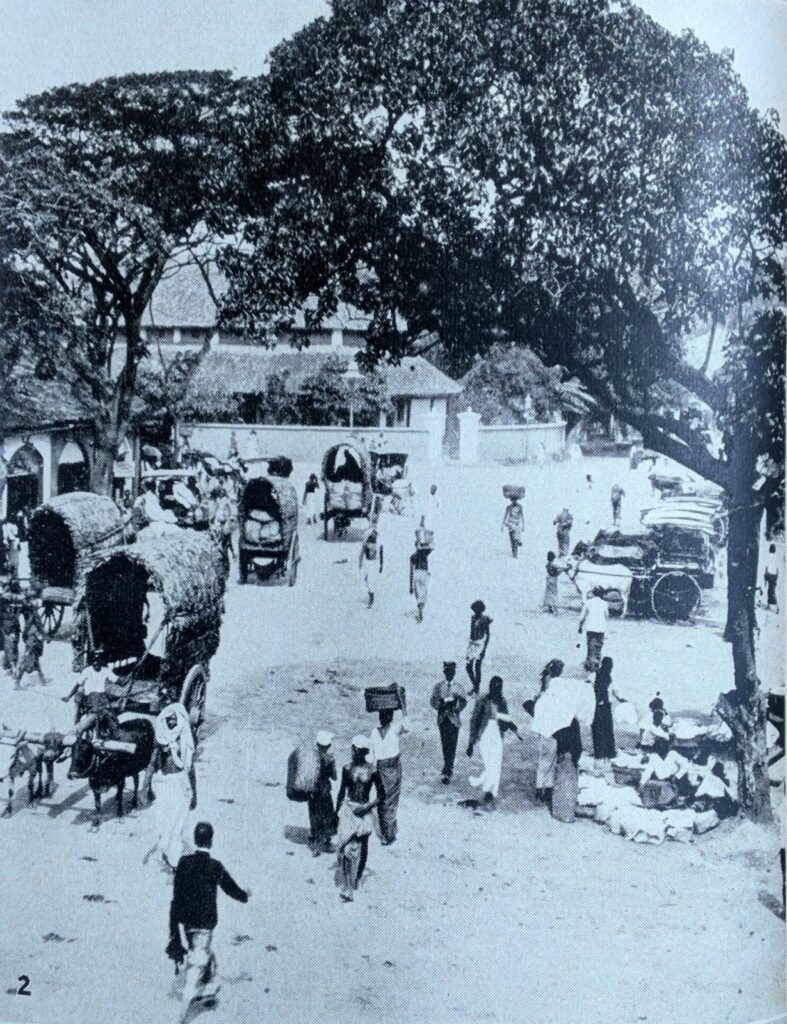
A photograph from the Encyclopaedia Britannia 14th edition in 1929 (volume-5)
Changes within a century—trading in Colombo:
1920’s
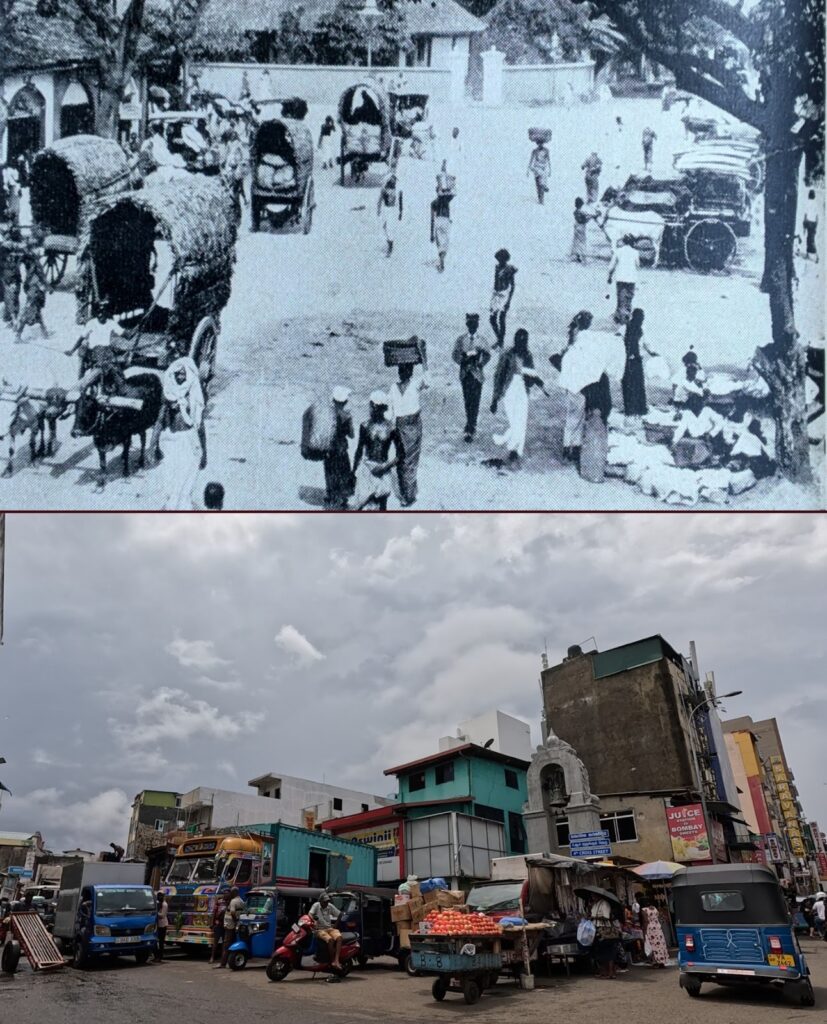
1920’s
2025
Changes within a century—prince street in:
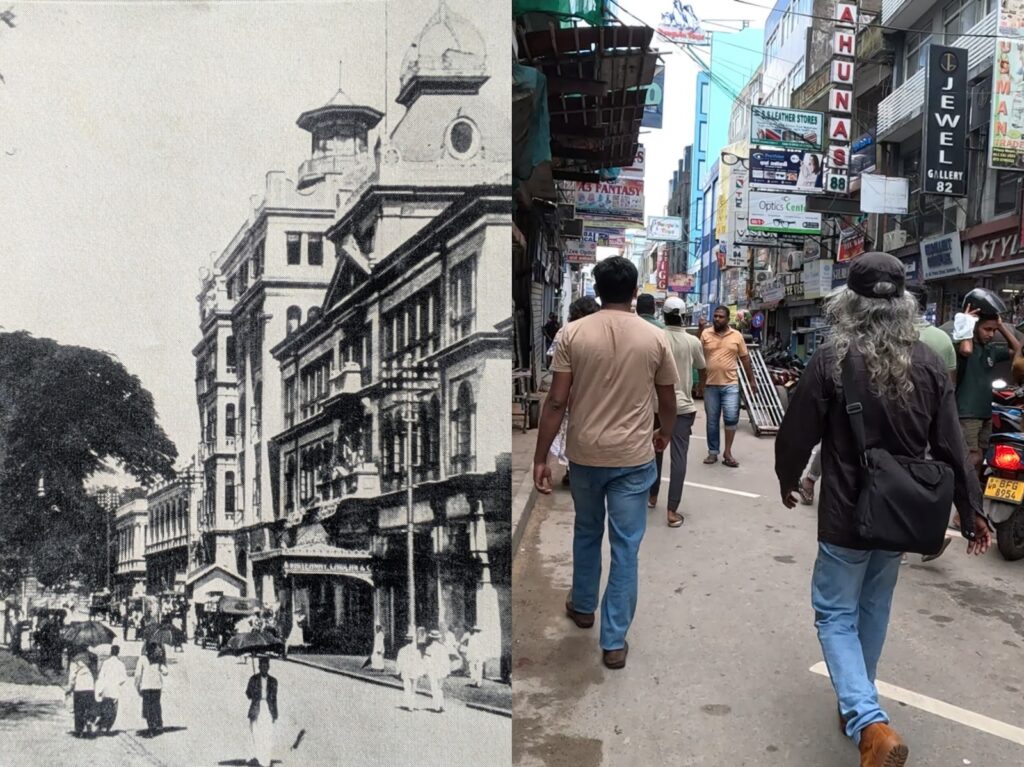
1920’s 2025
Someone should get ready to make the city steady.
If Someone is ready—It’s simple to make it steady.
Invite beauty
By
Removing dirty
It makes the mind free
With
what the sight always sees.
For this;
- Proper roads with pavements for a safe walk.
- Rebuilding abandoned parks.
- Sanitary facilities for all.
- Quality transport for all.
- Attitudes towards broader from narrow.
The most simple definition is—the right to live in a peaceful environment with equal facilities, where everyone is treated as equal human beings. Because;
Everyone Likes:
- To see a beautiful peaceful environment.
- To hear the melodies of calmness.
- To smell the fragrance of humanity
- To taste the quality of life.
- To feel the living of life.
- To think we all are human beings.
If Someone does this—01 to 15 will reach top world rankings.
It will remove all the blocks of socio-economic, cultural and other in this heart
And,
This healthy heart will make the Sri Lankan body wealthy and strong with real freedom to all.
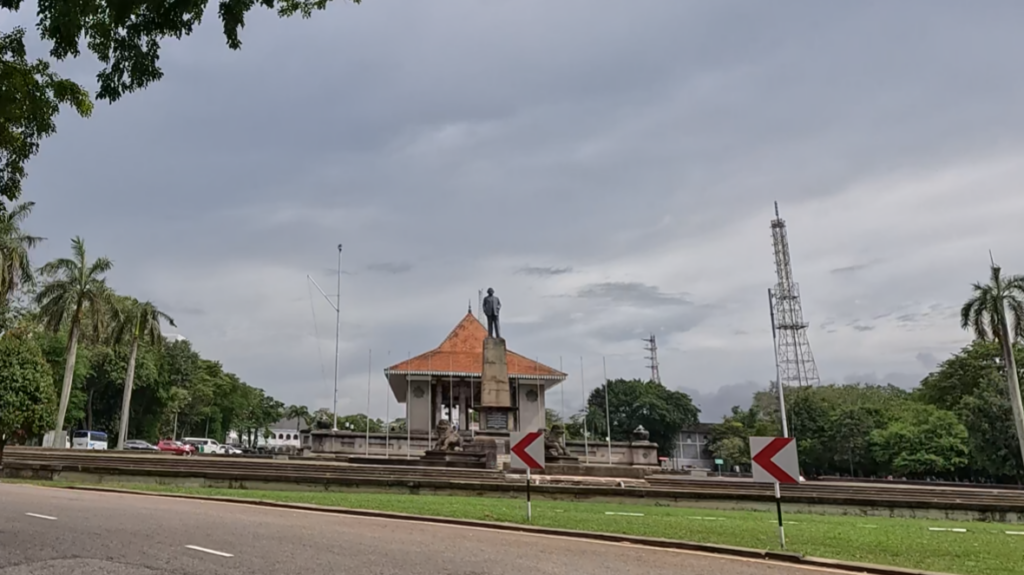
Thank you very much to everyone who read this article 1 to 15. Hope 1 to 15 gave you something to fill the knowledge gap and to quench the thirst of wisdom.
Lasantha de Silva


Leave a Reply