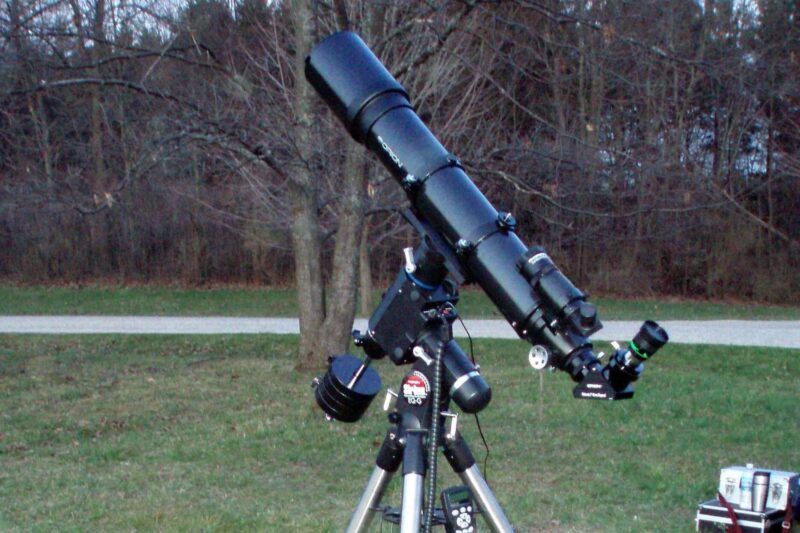
Begin Your Astronomical Journey
From curious observer to confident stargazer—your path starts here
What Makes You an Astronomer?
Astronomy is for everyone. Anyone interested in understanding what’s around us is an astronomer. While some pursue STEM education and conduct research professionally as Professional Astronomers, others explore the cosmos without extensive academic studies—these are Amateur Astronomers.
Amateur astronomers often contribute significantly to research and discoveries. If you love astronomy, you are an astronomer too!
Why Embrace Amateur Astronomy?
Being an amateur doesn’t prevent you from participating in meaningful research. All astronomical data is public and accessible from anywhere. There are projects specifically designed for amateur astronomers—become a citizen scientist!
Your curiosity is your qualification.
The Best Instrument: Your Eyes
Choosing Your First Instrument
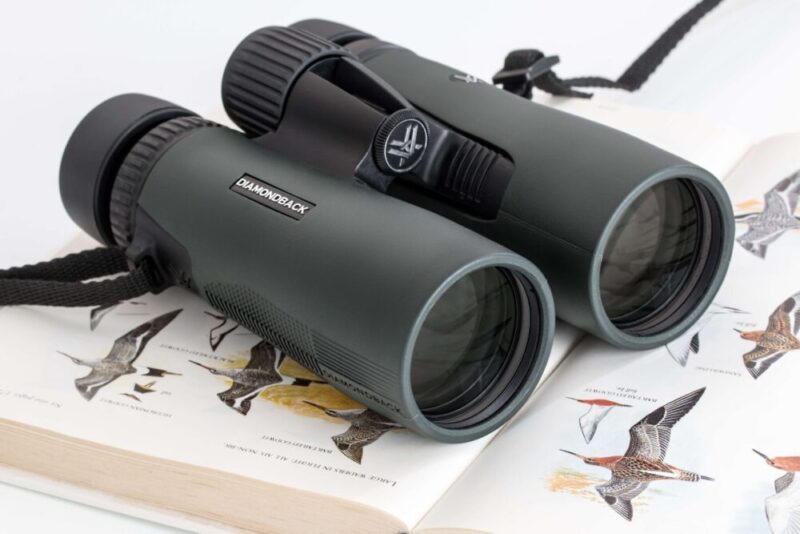
Binoculars: The Perfect First Step
A quality pair of 7×50 or 10×50 binoculars often surpasses many small telescopes. They’re portable, affordable, intuitive to use, and reveal:
- Stunning lunar detail and crater landscapes
- Star clusters invisible to the naked eye
- The moons of Jupiter
- Countless double stars
Your First Telescope
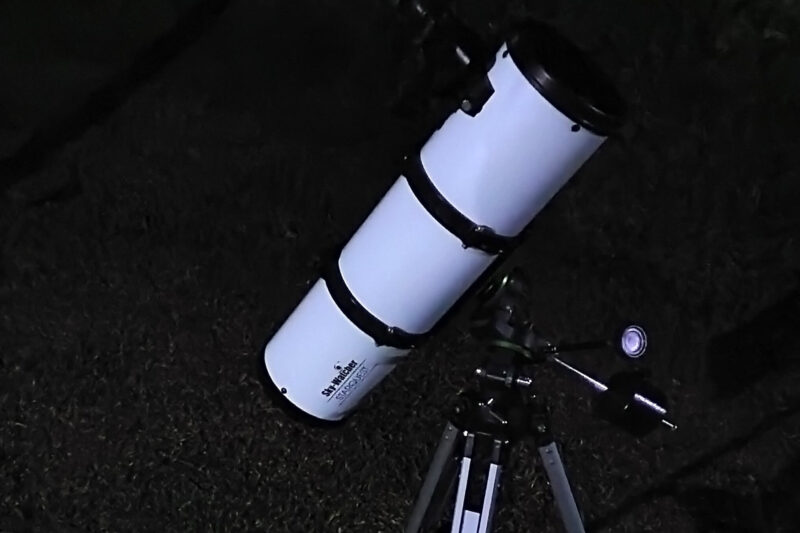
Reflector Telescopes